PC solid board FAQ
Release time:
Sep 18,2024
PC solid boards are a versatile and durable option for a wide range of applications.
PC Solid Board FAQ
PC solid boards, commonly known as polycarbonate solid sheets, are versatile materials widely used in construction, signage, and various industrial applications. As more individuals and businesses consider integrating PC solid boards into their projects, several questions often arise. This article aims to address some of the most frequently asked questions about PC solid boards, helping you make informed decisions.
What is a PC Solid Board?
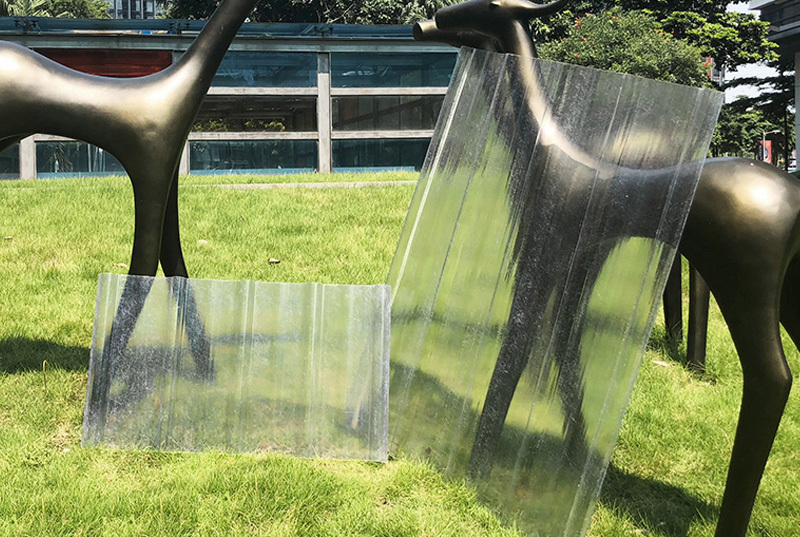
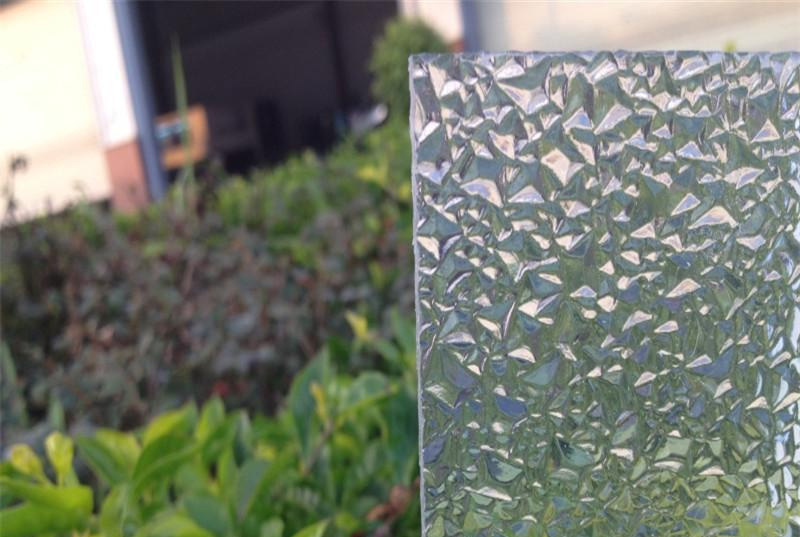
PC solid boards are made from polycarbonate, a durable and lightweight thermoplastic material. Unlike traditional glass, PC solid boards are virtually unbreakable, making them an ideal choice for applications requiring high impact resistance. They are available in various thicknesses and colors, offering flexibility in design and functionality.
What are the Key Advantages of Using PC Solid Boards?
One of the primary advantages of PC solid boards is their strength and durability. They can withstand extreme weather conditions, including high winds, heavy rain, and snow. Additionally, PC solid boards have excellent UV resistance, preventing yellowing and degradation over time. Their lightweight nature makes them easy to handle and install, reducing labor costs. Furthermore, these boards provide excellent thermal insulation, contributing to energy efficiency in buildings.
What are the Common Applications of PC Solid Boards?
PC solid boards are used in a variety of applications. In construction, they are commonly utilized for skylights, roofing systems, and curtain walls. Their transparency allows for natural light to penetrate while providing insulation. In signage, PC solid boards are favored for their clarity and ability to be easily printed or engraved. Additionally, they are used in safety barriers, greenhouse coverings, and even in the manufacturing of various products where lightweight and durability are required.
How Do You Maintain PC Solid Boards?
Maintaining PC solid boards is relatively straightforward. Regular cleaning with mild soap and water is usually sufficient to keep the surface free from dirt and grime. It is important to avoid using abrasive cleaners or scrubbers, as these can scratch the surface. For best results, use a soft cloth or sponge. If the boards are exposed to harsh environmental conditions, periodic inspections are recommended to ensure there are no signs of wear or damage.
Can PC Solid Boards Be Cut or Shaped?
Yes, PC solid boards can be easily cut and shaped to meet specific requirements. They can be sawed, drilled, or routed using standard woodworking tools. When cutting, it is advisable to use a fine-toothed blade to ensure a clean edge. For intricate shapes, a jigsaw or laser cutter may be employed. Always remember to wear appropriate safety gear when working with power tools.
Are PC Solid Boards Environmentally Friendly?
PC solid boards are considered environmentally friendly due to their long lifespan and recyclability. While the production process of polycarbonate does have an environmental impact, the durability of PC solid boards means they do not need to be replaced frequently, reducing waste. Additionally, many manufacturers offer recycling programs for used polycarbonate products, promoting sustainability.
What is the Cost of PC Solid Boards?
The cost of PC solid boards can vary widely based on factors such as thickness, size, color, and manufacturer. Generally, PC solid boards are more expensive than traditional acrylic sheets but offer superior durability and performance. When budgeting for a project, it is essential to consider not only the initial cost of materials but also the long-term benefits and savings associated with their use.
Are There Any Limitations to PC Solid Boards?
While PC solid boards offer numerous advantages, there are some limitations to consider. They are not completely scratch-resistant, so care must be taken to protect the surface from sharp objects. Additionally, while PC solid boards provide good thermal insulation, they are not as effective as some other materials, such as insulated glass. Therefore, in applications where maximum insulation is required, it may be necessary to consider alternative materials.
How Do PC Solid Boards Compare to Acrylic Sheets?
PC solid boards and acrylic sheets are both popular materials in various applications, but they have distinct differences. While acrylic sheets are lighter and can be more affordable, they are more prone to shattering and scratching. PC solid boards, on the other hand, offer superior impact resistance and UV stability, making them a better choice for outdoor applications. The choice between the two will depend on the specific needs of your project.
Conclusion
PC solid boards are a versatile and durable option for a wide range of applications. Understanding the advantages, maintenance requirements, and limitations of these materials can help you make informed decisions for your projects. Whether you are considering PC solid boards for construction, signage, or industrial use, their strength and adaptability make them a valuable choice. For any further inquiries or specific project needs, consulting with a supplier or manufacturer can provide additional insights and assistance.
Key words:
You Can Also Learn More About The Industry.



We are dedicated to providing our partners with durable, environmentally friendly, and pollution-free mid-to-high-end products, comprehensive professional services, and technical support from our expert team for customized products and construction solutions.




Contact Information
E-mail: maria.yicon22@gmail.com
Mobile: +8613383616016
Address: Langfang City, Hebei Province, China
Committed to providing domestic customers with quality products and thoughtful service